

Social Housing and Affordability: Challenges and Opportunities in Today’s Real Estate Market
July 28, 2026 by CDMX Camacho BR
Access to a decent and safe home is not only a fundamental right, but also one of the main pillars for economic development and social stability in any community. However, in recent years, the terms social housing and affordability have taken center stage due to the constant rise in property prices and construction costs.
Understanding what these concepts mean and how they are evolving is essential for anyone looking to buy, rent, or invest in the real estate sector.
What Do We Mean by Social Housing and Affordability?
Although they are often mentioned together, they address different aspects of the same issue:
- Social Housing: Refers to residential developments promoted or subsidized by the government and public institutions. Its main objective is to benefit low- or middle-income families with basic, functional, and safe housing solutions.
- Affordability: This is the relationship between the total cost of housing (whether buying or renting, plus utility services) and a household’s income. As a general rule in personal finance, housing is considered affordable when housing expenses do not exceed 30% of a family’s monthly income
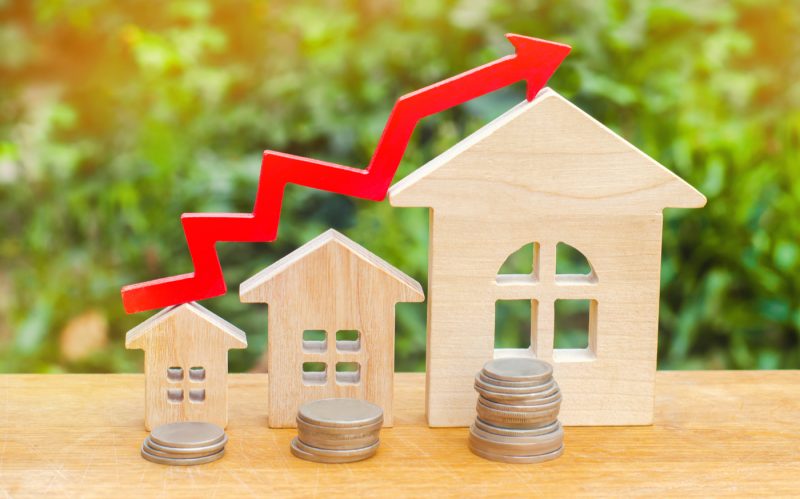
Factors Impacting Housing Affordability
Achieving greater access to affordable homes depends on multiple economic and urban development factors:
- Urban Land Cost: The scarcity of well-located land with access to basic services increases the final price of properties.
- Inflation and Construction Costs: Increases in key supplies (such as cement, steel, and labor) raise developers’ budgets.

- Credit Conditions: Mortgage interest rates directly determine how feasible it is for a family to commit to a long-term financial obligation.
- Infrastructure Development: Creating well-connected residential areas with public transit, schools, and commercial areas is essential so that housing remains functional, not just cheap.
Why Affordable Housing Benefits the Entire Community
Ensuring accessible housing options not only helps the families who live in them, but also strengthens the local economy:
- Promotes Economic Stability: By reducing the percentage of income spent on rent or mortgages, households have greater flexibility to spend, save, and invest in education and healthcare.

- Reduces Inequality: Provides asset security to families who would otherwise be displaced from the formal housing market.
- Drives Orderly Urban Growth: Prevents unorganized and informal sprawl into urban peripheries.
Conclusion
The path toward greater affordability in the real estate market requires joint efforts from developers, government institutions, and professional advisors. Finding the right housing option—combining price, location, and quality of life—is a crucial step toward securing your assets and your family’s future. At Camacho Bienes Raíces, our trained team is ready to guide you through every step of the process, helping you make the best decision for your needs and budget.