

2026 World Cup in Mexico – Pros and Cons for the Real Estate Market
May 19, 2026 by CDMX Camacho BR
The 2026 World Cup will be the largest sporting event in Mexico’s history. With Mexico City (CDMX), Guadalajara, and Monterrey serving as host cities, the tournament is already shifting pieces across the real estate sector. Is it time to invest or wait? Here is the real outlook.
The PROS: Where the Opportunities Are
1. Targeted Capital Gains in Strategic Areas
Property values won’t rise across the entire city, but the areas surrounding the stadiums will. Capital gains could reach 20% to 40% in specific sectors with good connectivity, tourism services, and proximity to the venues.
- CDMX – Azteca Stadium: Within a 2.5 km radius, the number of businesses grew by 13% between 2022 and 2026. The urban fabric and pedestrian connectivity facilitate neighborhood businesses. Areas like Santa Úrsula, Tlalpan, and Coyoacán hold the highest potential.
- Guadalajara – Akron Stadium: Vertical developments and mixed-use complexes on Av. Vallarta, Puerta de Hierro, Andares, and Tesistán project a value increase due to connectivity and amenities.
- Monterrey – BBVA Stadium: Guadalupe, San Nicolás, Apodaca, and San Pedro Garza García will receive a boost from visitor traffic and alternative lodging. Monterrey combines the World Cup with nearshoring, creating the most robust scenario.
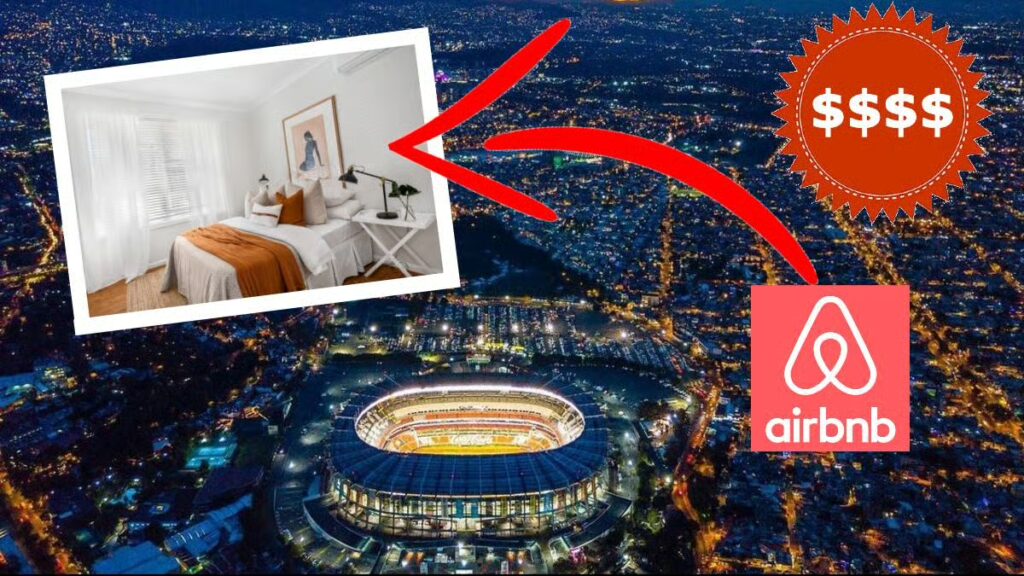
2. Short-Term Rental Boom
The demand for rental housing for the World Cup will grow by 155% in Mexico. AMPI (Mexican Association of Real Estate Professionals) is already reporting 15% to 20% increases in short- and medium-term rentals.
- CDMX: An estimated 44,000 visitors will use Airbnb, with an average rate of $68 USD/night. There are currently 40,000 properties listed for temporary rent versus only 10,000 for long-term lease.
- Monterrey: Rent for houses and apartments will surge by up to 600% in areas like Guadalupe, Fundidora, and San Pedro during the tournament.
- Limited Hotel Capacity: CDMX has a hotel shortage for large-scale events. This turns short-term rental housing into a strategic opportunity in Reforma, Roma, Condesa, and Polanco. One-bedroom units in the Juárez neighborhood are already seeing a 64% occupancy rate on platforms.
3. Commercial Real Estate: First Come, First Served
Commercial rental prices in areas near the stadiums are projected to increase between 25% and 40%. The area surrounding the Azteca Stadium enters the tournament strengthened and with sustained growth compared to Akron and BBVA, which have more limited supply.

Winning Formats: Pop-up stores, temporary spaces, and flexible 1-month contracts. Brands associated with the event will absorb higher rents for short periods.
4. Infrastructure and Urban Modernization
The World Cup acts as an “accelerator” for public works. Airports, stations, mobility corridors, and entertainment centers are being modernized to standards that elevate value for investors. Combined with the USMCA (T-MEC), Mexico is consolidating its position as a manufacturing and distribution hub, triggering an industrial real estate boom.
The CONTS: The Risks They Don’t Tell You About
1. It is Temporary: The Readjustment Curve Follows
The surge is localized and short-lived. The World Cup lasts only one month, and associated contracts are temporary. Real Estate experts anticipate that after the tournament, properties will exit the flexible rental market to return to traditional leasing. If you bought at a premium expecting permanent high rents, you could get trapped.
2. Displacement and Pressure on Traditional Housing
Short-term rentals can generate in a single week what traditional rent brings in 1 to 2 months. This incentivizes landlords to evict long-term tenants.
There is already an imbalance in CDMX: 10,000 long-term properties versus 40,000 temporary rentals. The availability of mid-market housing priced under $1.4M MXN dropped from 1,220 to 500 units in just one year. The World Cup is worsening the affordable housing crisis.
3. Overdemand = Overcosts
Everyone is remodeling for the World Cup. This inevitably drives up local prices. Materials, labor, and permits are becoming more expensive. If you enter the market late, your margins shrink.

So, What Should You Do as an Investor or Owner?
If you are going to enter the market, do it with a strategy. At Camacho Bienes Raíces, we offer the following advice:
- Micro-location, not macro: The 2.5 km radius around the stadium determines whether consumer spending spreads out or concentrates. Beyond that, the effect dilutes.
- Hybrid models: Buy with short-term rentals in mind for 2026, but ensure the numbers still work for traditional renting afterward. Funding rates dropped to 7% and could reach 6.5% in 2025—take advantage of this to secure financing.
- Flexible commercial spaces: Negotiate 1-to-3-month contracts for the World Cup. Do not base your long-term investment on the assumption that the 40% higher rental rates will stay.
- Keep an eye on Monterrey: Hotel occupancy will grow by 90% only on match days, but reservations are currently moving slowly at 30% to 35%. Airbnb is a safer bet there than a brand-new hotel.