

Everything You Need to Know About Real Estate Purchase Agreements Before Signing
August 18, 2026 by Cuernavaca Suc.
Buying or selling a property is one of the most important financial decisions in a person’s life. However, amidst the excitement of closing the deal, a key question often arises: how do we ensure that the agreement is secure and legally sound?
The answer lies in the purchase and sale agreement (contrato de compraventa), the formal legal instrument where the seller commits to transferring property ownership, and the buyer agrees to pay a specific, agreed-upon price in money. Below, we break down the essential elements that must be included in this document and the common mistakes you should avoid.
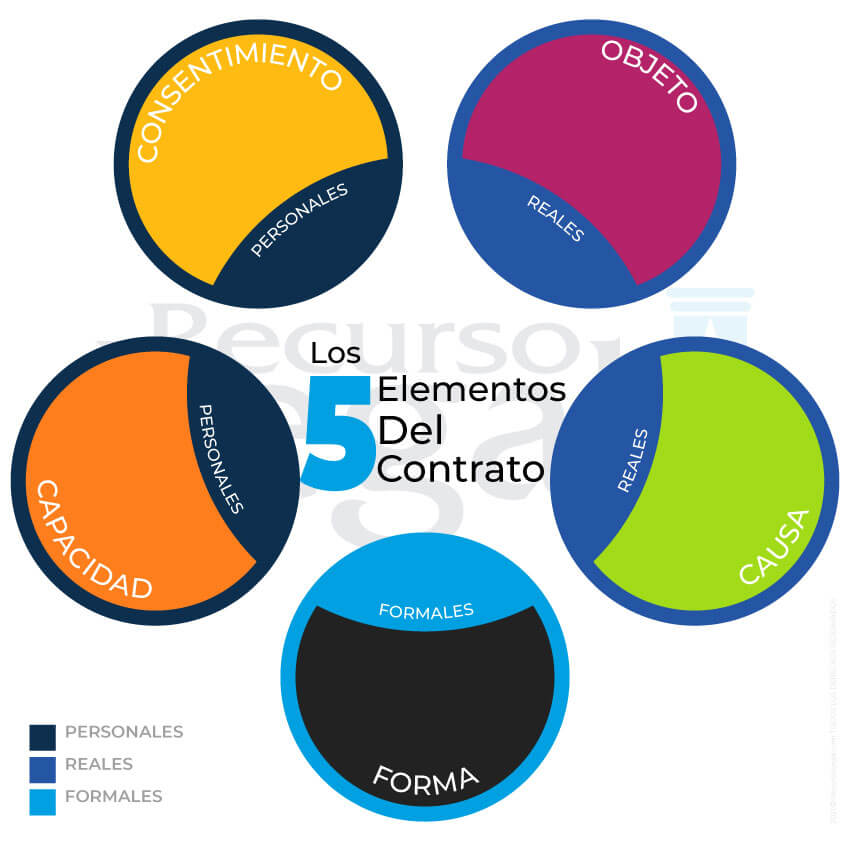
Key Elements Every Contract Must Include
To ensure legal certainty for both parties, a purchase and sale agreement must be written with utmost clarity and include:
- Identification of the Parties: Full names, official IDs, marital status, and primary addresses of both the buyer and the seller.
- Detailed Property Description: Exact location, total land area, built area (square meters/feet), boundaries, and the Public Registry Property Title/Folio Number (Folio Real).
- Price and Payment Schedule: Total agreed amount, breakdown of the down payment, deadlines for each payment, and permitted transaction methods (bank transfers, mortgage loans, etc.).
- Legal Status of the Property: A sworn statement declaring that the property is free of liens, encumbrances, and outstanding debts regarding property taxes (predial), utility bills, or maintenance fees.
- Delivery Date and Conditions: The exact timeframe in which the seller will hand over physical possession of the property.
- Penalty Clause: Pre-agreed financial penalties in case either party fails to fulfill their obligations or decides to cancel the transaction without legal justification.
Common Mistakes to Avoid
| Common Mistake | Risk or Consequence | How to Prevent It |
| Failing to verify ownership | Attempting to buy from someone who is not the legal owner or lacks the authority to sell. | Requesting the certificate of freedom from encumbrances (certificado de libertad de gravamen) and title deed from the Public Registry. |
| Omitting strict deadlines | Indefinite delays in payment or property handover without any consequences. | Establishing a clear timeline with explicitly defined calendar or business days. |
| Not clarifying notary/closing costs | Misunderstandings regarding who pays taxes, property appraisals, and notary fees. | Expressly agreeing that deed recording fees are paid by the buyer, while income/capital gains tax (ISR) is covered by the seller. |
The Importance of Public Deed Registration
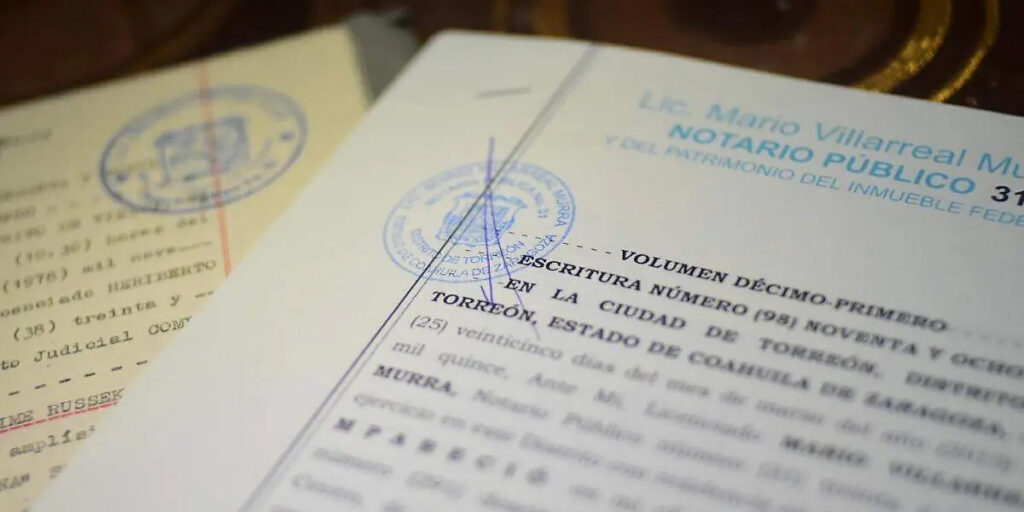
It is crucial to remember that a private purchase and sale agreement secures the formal agreement between buyer and seller, but it does not replace the public deed (escrituración pública). For the transfer of property to be legally binding against third parties, the process must be formalized before a Notary Public and registered in the Public Registry of Property.
At Camacho Bienes Raíces, we know that every step in the buying or selling process requires precision, transparency, and legal backing. Our team of expert advisors accompanies you from the contract review phase through to the final signature at the notary office, ensuring your assets are protected at all times. Place the peace of mind of your real estate investment in professional hands and contact us for advice on your next property transaction.