

Gentrification in Mexico City: Understanding It, Detecting It, and Acting Smartly
July 8, 2025 by CDMX Camacho BR
Mexico City is in constant transformation. In recent years, the phenomenon of gentrification has gained strength, especially in neighborhoods with high cultural and architectural value, but also in those that have become trendy areas or that offer proximity to services, transportation, and attractive public spaces. Although this process can bring urban improvements and investment opportunities, it also generates social tensions, displacement, and deep changes in the identity of neighborhoods.
What is Gentrification?
Gentrification is an urban process that transforms areas (neighborhoods or districts), leading to rising rental and sale prices, the arrival of new businesses, and the displacement of original residents due to the influx of people with greater purchasing power.
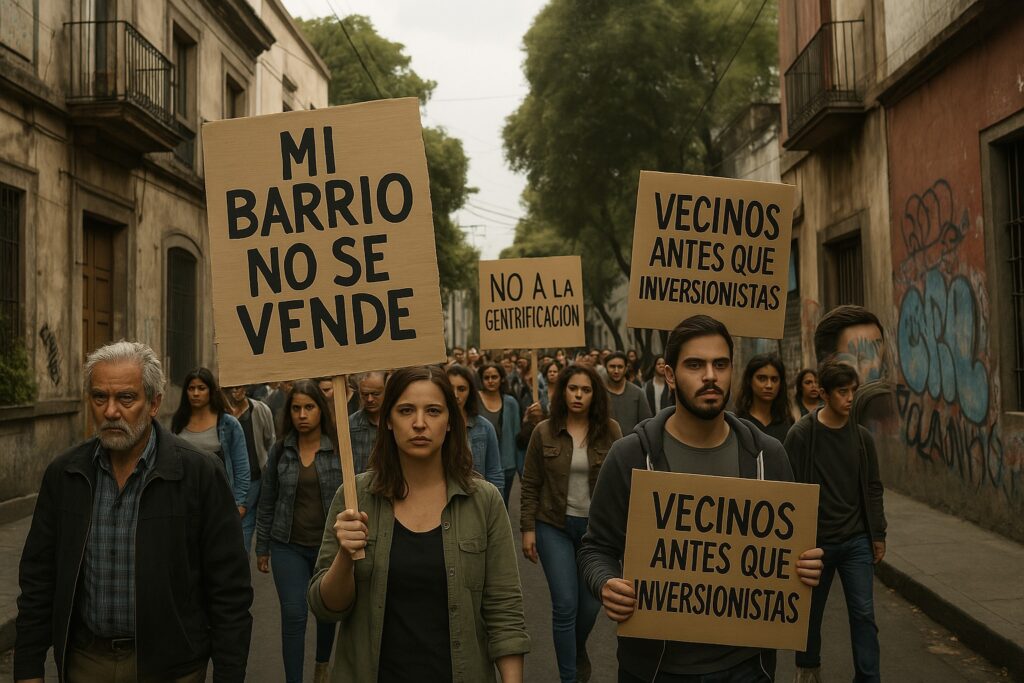
While some see it as a sign of progress, others perceive it as a form of dispossession. Recently, this debate has moved to the streets, with protests reflecting the discomfort of communities who feel their surroundings are changing without their input.
Neighborhoods in Transition: Where is it Happening?
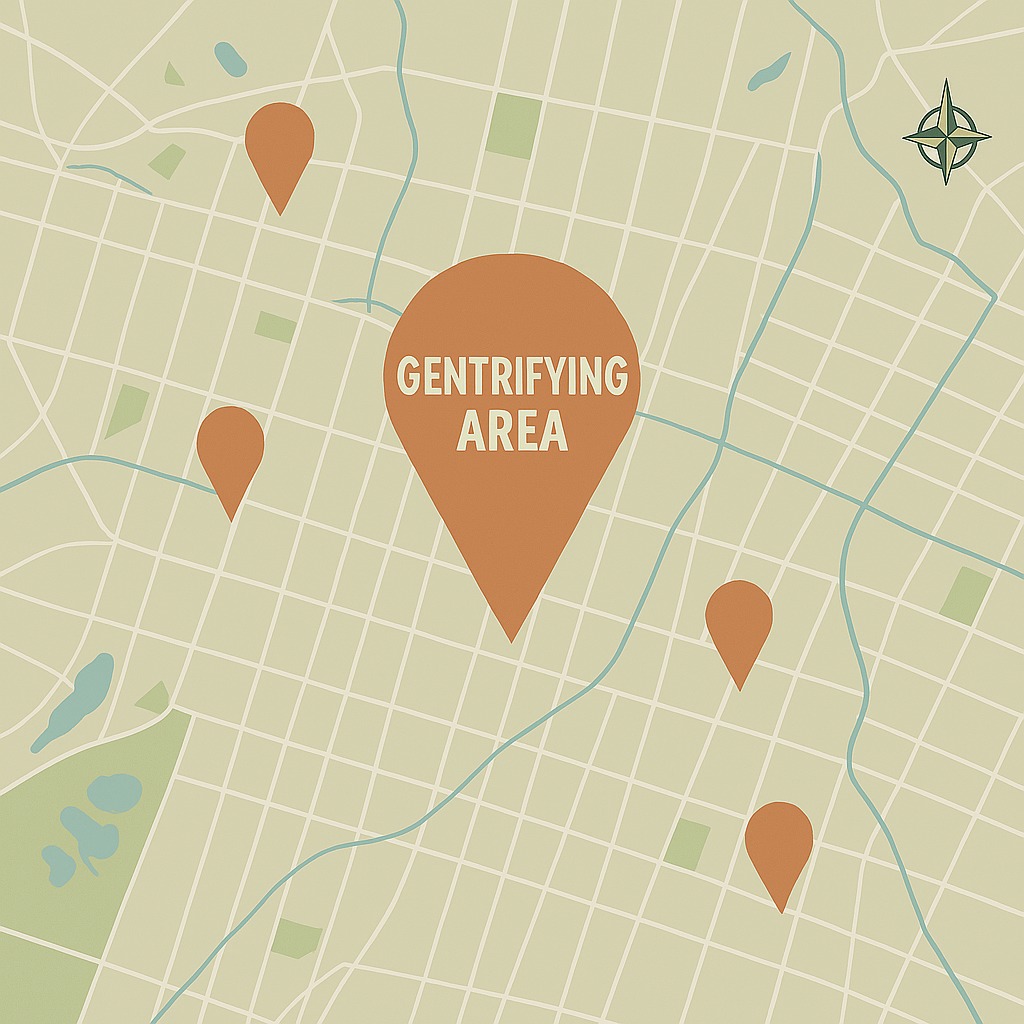
Neighborhoods such as Roma, Condesa, Juárez, and Centro have become epicenters of this phenomenon. What were once bohemian or family-oriented areas are now home to artisanal coffee shops, coworking spaces, and apartments with rents priced in dollars. Identifying these transitioning areas can represent an opportunity for investors, but also a call to act with sensitivity.
Some indicators of gentrification include:
• Rapid increase in rental prices.
• Renovation of building façades and public spaces.
• Arrival of businesses targeting foreign or high-income clients.
• Changes in the demographic profile of residents.
Impact on Tenants and Property Owners
For tenants, gentrification can mean the loss of affordable housing and the breakdown of community networks. For property owners, it may represent an opportunity for appreciation, but also the challenge of deciding whether to sell, rent, or maintain their property in a changing environment.
It’s important for both groups to understand the context:
• Tenants should be aware of their rights and explore alternatives before being displaced.
• Property owners can seize the moment to improve their properties, adjust prices responsibly, and contribute to more balanced development.
Urban Trends Accelerating Change
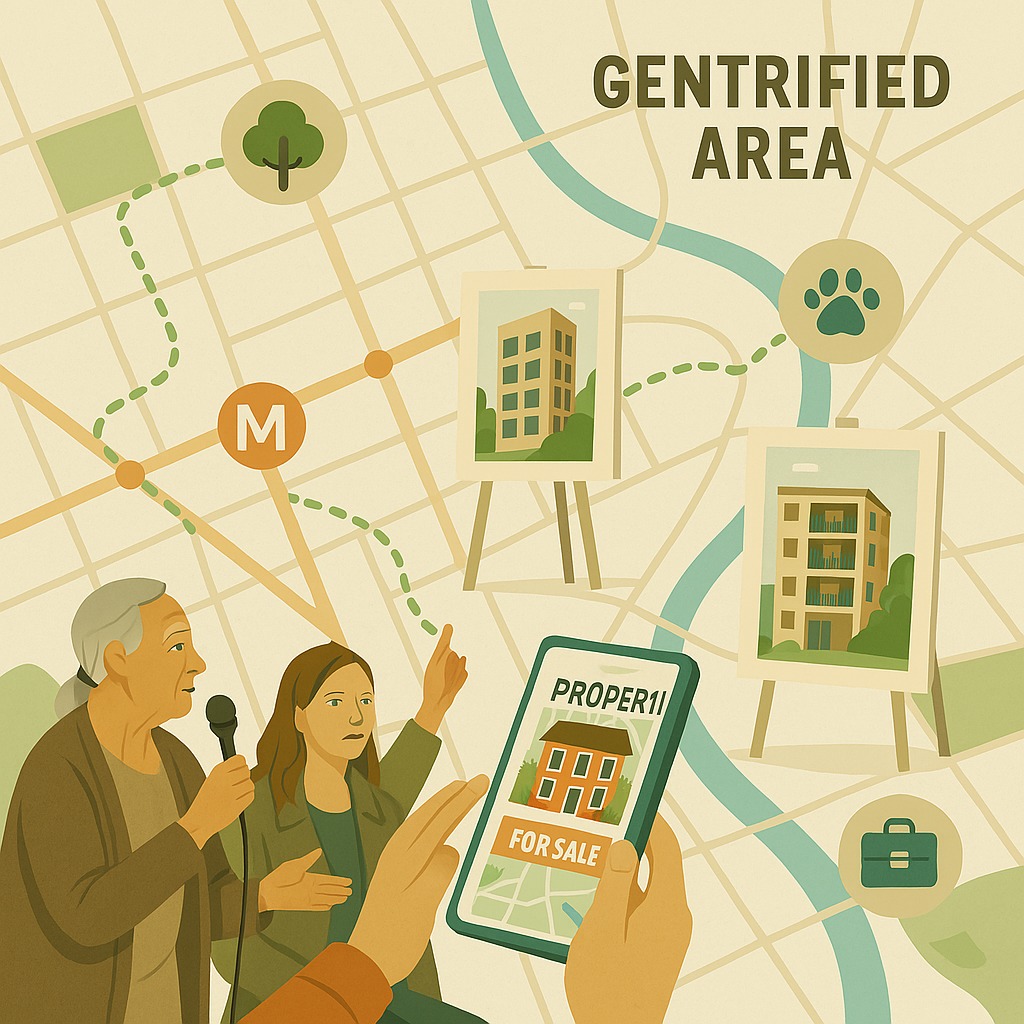
Gentrification does not happen in isolation. It is driven by factors such as:
• Remote work and digital nomads seeking vibrant cities with affordable living costs.
• Short-term rental platforms that shift the residential use of many areas.
• Luxury real estate developments that raise market prices in traditionally working-class neighborhoods.
• Lifestyle changes, such as the preference to live near cultural centers, parks, and public transport.
These trends have reshaped real estate demand in Mexico City and will continue to influence how people live and invest in the city.
Acting Smartly in Changing Environments
Gentrification doesn’t necessarily lead to conflict when approached with an informed and contextual understanding. Identifying real estate opportunities in transitioning areas requires balance: taking advantage of the moment without losing sight of the local dynamics that give each neighborhood its unique character.
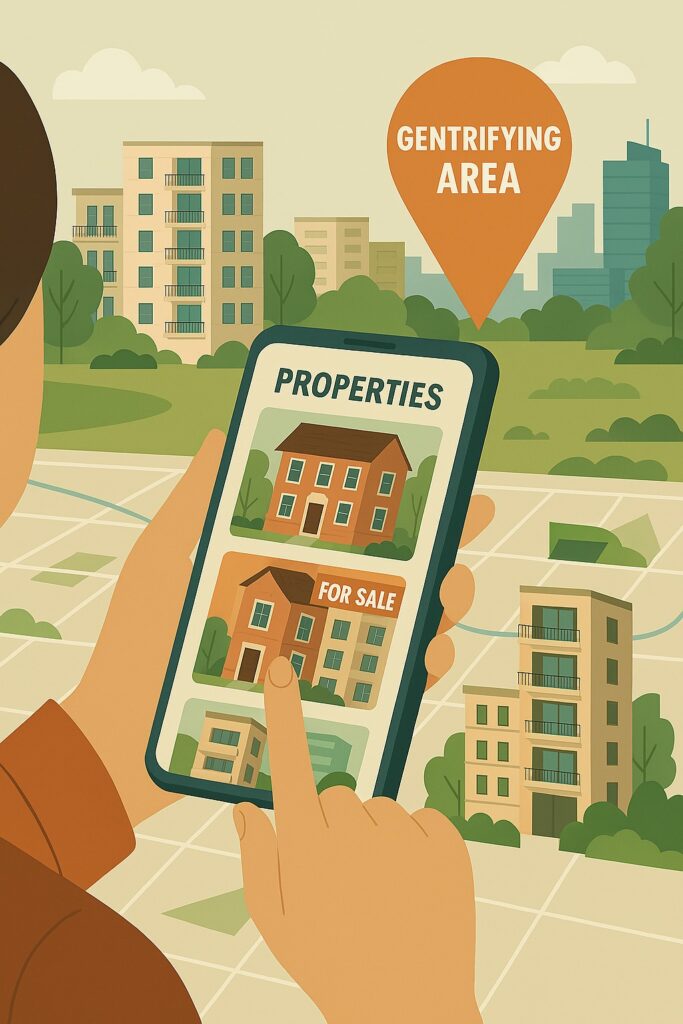
At Camacho Bienes Raíces, we help our clients make strategic decisions, considering both the appreciation potential and the urban environment. Our approach seeks to facilitate clear and well-grounded transactions, respecting the context of each area and its development outlook