

The Challenge of Living in CDMX: Trends and Realities in 2026
March 10, 2026 by CDMX Camacho BR
Living in Mexico City has always been a high-performance sport, but as we reach 2026, the housing landscape has taken on fascinating (and complex) nuances. Between the FIFA World Cup fever and historic new regulations, here is what’s actually happening with the roof over our heads.
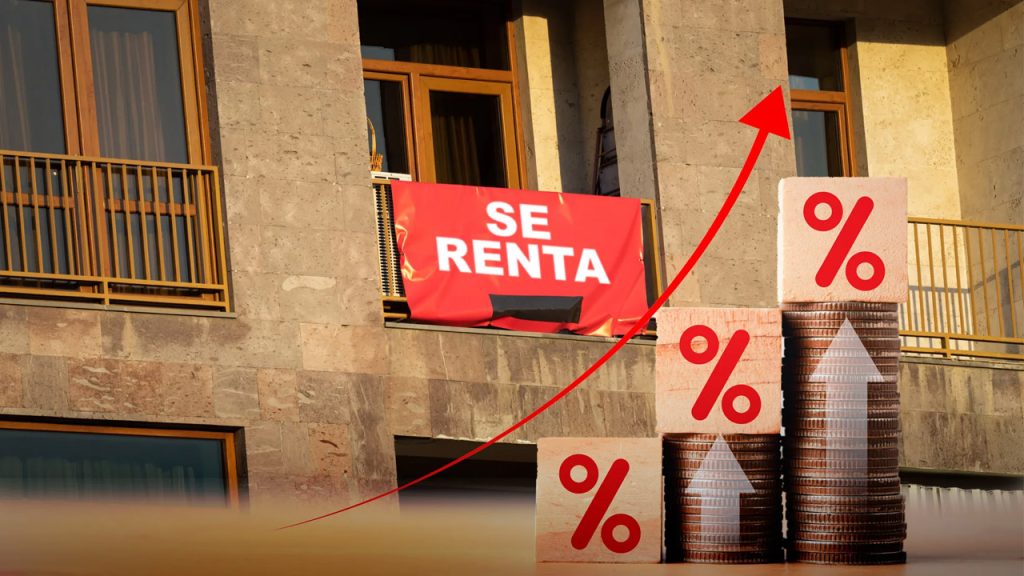
1. The Rent Freeze: A Historic Ruling
One of the most significant milestones this year has been the ratification by the Supreme Court (SCJN) regarding rent caps.
- The Rule: Annual rent increases in lease contracts can no longer exceed the inflation rate of the previous year.
- The Goal: To combat the aggressive gentrification that has pushed thousands of families out of central neighborhoods toward the outskirts.
2. The “2026 World Cup Effect” and Airbnb
The World Cup doesn’t just bring football; it brings unprecedented real estate pressure. It is estimated that the supply of long-term rentals has decreased because many landlords prefer to move their properties to short-term stay platforms (Airbnb) to capitalize on the influx of tourists.
Fun Fact: The Government has begun implementing specific taxes on temporary rentals to discourage this practice and protect the traditional residential market.
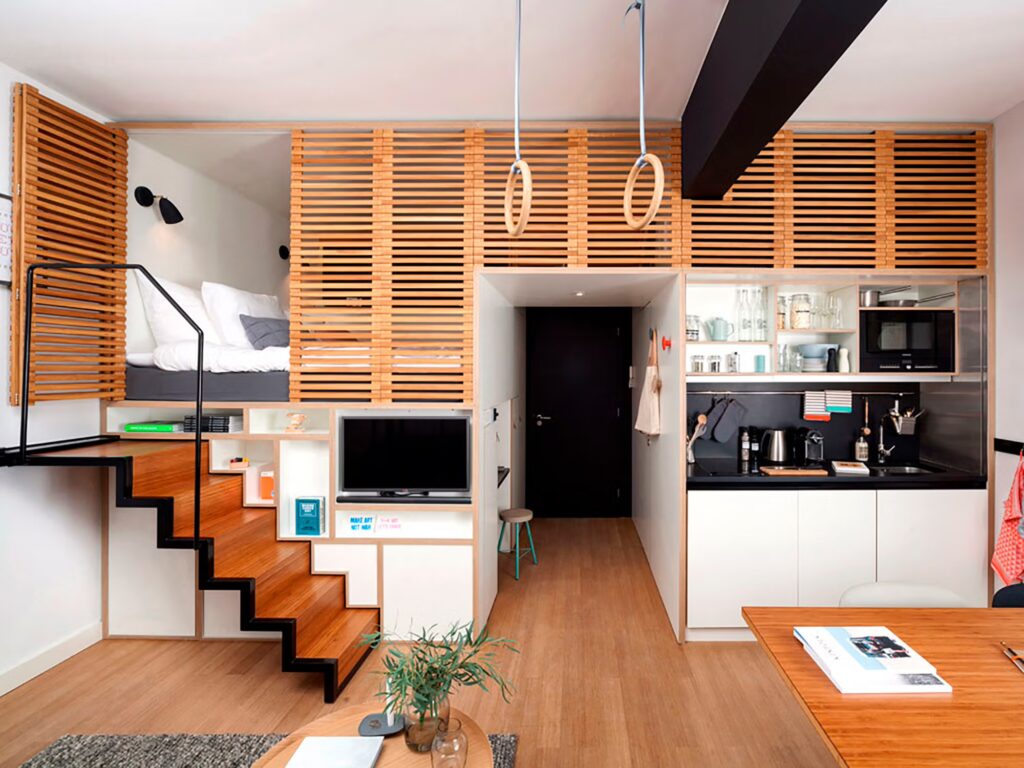
3. Micro-Housing and the Rise of “Lofts”
The scarcity of land in boroughs like Cuauhtémoc, Benito Juárez, and Miguel Hidalgo has solidified the trend of vertical housing.
- Compact Spaces: Loft-style apartments between 30 and 45 $m^2$ are now the standard for young professionals.
- Pre-owned Housing: Faced with the high costs of new builds, the pre-owned housing market grew by 8.6%, becoming the favorite option for those seeking actual square footage at competitive prices.
4. Public Policy: Where Are We Headed?
The current administration has set a goal of 200,000 housing actions for the six-year term. Some key points include:
- Rental Housing for Youth: The start of construction on public housing parks with affordable rent schemes.
- Streamlining Paperwork: An effort to reduce the “red tape” (tramitología) that typically delays projects by up to 5 years.
Conclusion: A Market for the “Cautious”
In 2026, the CDMX buyer is much more analytical. People no longer buy on impulse; they compare the price per square meter, evaluate proximity to transport systems, and prioritize structural safety.
Are you thinking about renting or buying this year? At Camacho Bienes Raíces, we advise you so that your key to success is patience and a clinical eye to spot emerging zones before they reach their price ceiling.